
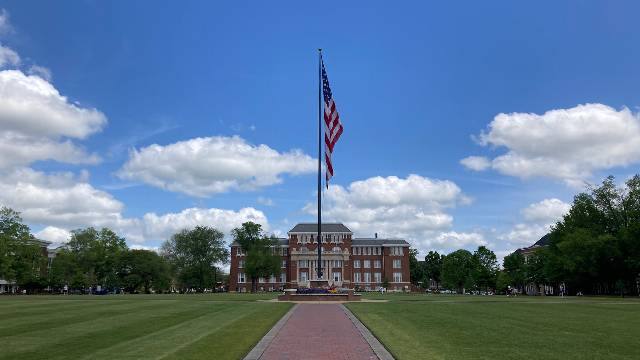
 Agricultural Autonomy Institute joins Harper Adams University's 125th anniversary celebrations
A leading American expert in agricultural autonomy has paid tribute to Harper Adams University as it marks its 125th anniversary.Dr Alex Tho …
Posted 22 October
PhD project into reducing sugar beet sugar loss
20 July 2020
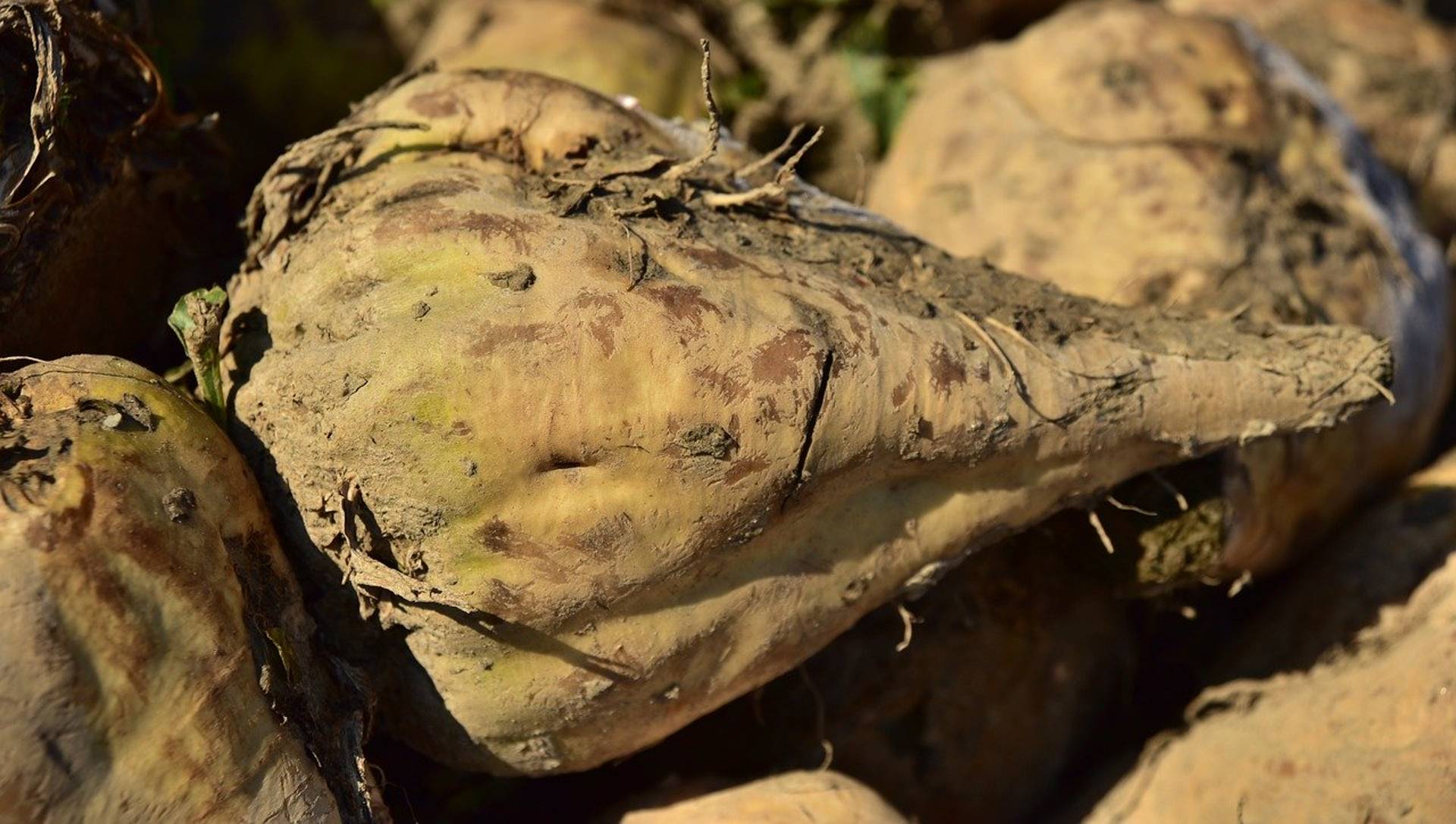
Paul Chunga, a PhD researcher at Harper Adams University with a studentship from the British Beet Research Organisation (BBRO), is working on a project to help guide growers and plant breeders to reduce sugar loses in sugar beet which currently causes significant damage.
The title of the project is: ‘The role of agronomy and genotype in tissue integrity and associated sugar losses during storage of sugar beet (Beta vulgaris)’. The work involves selection of genetic traits and environmental factors that enhance sugar beet genotypes’ resilience to tissue damage during mechanical processes involved between harvesting to processing.
Field and polytunnel experiments will be used to assess physiological and morphological factors like texture, puncture, shear forces, length, width, root tip damage, surface damage, weight and sugar content for various sugar beet genotypes after subjecting the roots to different water, temperature and nutrition conditions.
Experiments will be planted at various sites and harvested at different times to check the effects of harvesting time and site on sugar beets root tissues.
On predictions for project outcomes, the 33-year-old researcher said: “Current expectations are that sugar beet genotypes will vary in susceptibility to damage and that environmental factors such as water, nutrition and temperature will have adverse effects on how the root tissues respond to damage.
“This is expected because plant cells respond quickly to changes in the environment and that genetic make-up of respective genotypes also influence how the cells react to damage.
“It is hoped by the end of the study, we will be able to identify a robust variety in terms of damage and its associated environmental factors that help to reduce damage.
“This work is important as it will help to guide sugar beet growers and plant breeders on how they can reduce damage by optimising sugar beet root tissue strength hence reducing sugar losses which are currently substantial (0.1 per cent per volume per day). The work will also help to develop a relevant root physiologist who can work across root and tuber crops.”
Initial field trials using eight different sugar beet varieties from the UK’s recommended list has led to two extreme varieties being preliminarily identified.
A variety showing vulnerable characteristics has been planted in potato boxes within a field at Harper Adams University. After five months’ growth, the boxes will be transferred into a polytunnel where water and temperature will be manipulated to mimic harvest conditions.

Related Posts
Agricultural Autonomy Institute joins Harper Adams University's 125th anniversary celebrations
A leading American expert in agricultural autonomy has paid tribute to Harper Adams University as it marks its 125th anniversary.Dr Alex Tho …
Posted 22 October
 Sky's the limit: Helen joins MP's fundraising parachute jump
A charity skydive by a Harper Adams University Business Development Consultant has helped raise more than £16,000 for a new cancer cen …
Posted 21 October
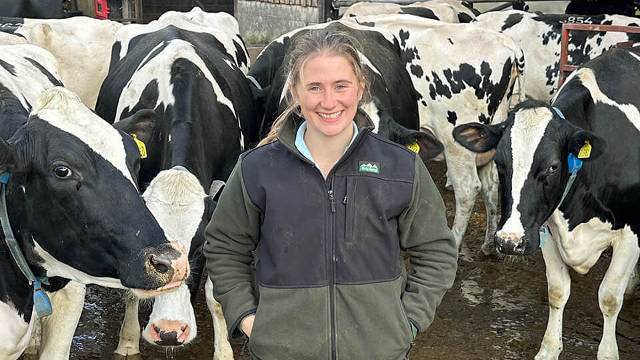 From dairy farm - to farm vet
Growing up on a dairy farm played a huge part in shaping Harriet Brimacombe’s ambition to become a vet. Now, as she prepares to …
Posted 20 October
 Listen: Archers anniversary marked with future of farming discussion on BBC radio
With BBC Radio Four marking the 75th anniversary of the Archers this year, Farming Today has taken the opportunity to look forwards this wee …
Posted 16 October